Why Battery Capacity Is the Only Spec That Really Moves an EV
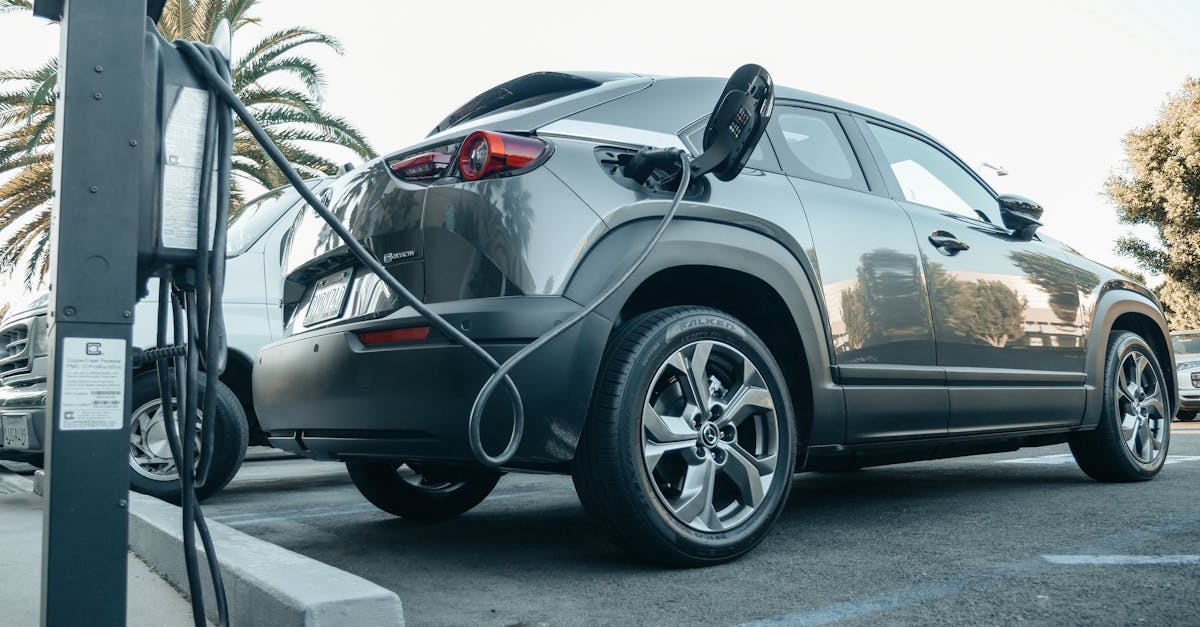
1. Battery Capacity - The Core Technical Specification
When a newcomer asks what makes an electric car go farther, the answer lands on the battery pack measured in kilowatt-hours (kWh). Battery capacity is the amount of stored energy, much like a gasoline tank holds fuel. A 60 kWh pack can theoretically deliver 60 kilowatts for one hour, or 30 kilowatts for two hours, shaping the vehicle's range and driving style.
Beyond raw kWh, the energy density of the cells - how much power fits in each kilogram - determines weight and efficiency. Modern lithium-ion chemistries achieve 250-300 Wh per kilogram, allowing a 1,800-pound sedan to carry enough juice for 250-300 miles. The voltage of the pack, typically between 300-400 volts, works with the inverter to produce the motor's torque.
Technical specifications also list the number of modules and cells, cooling method, and warranty period. A higher capacity often means a higher price, but the trade-off is fewer charging stops. Understanding this spec helps a buyer predict daily mileage, charging frequency, and long-term depreciation.
2. Motor Power and Torque - How Performance Is Measured
Electric motors convert electrical energy into mechanical force, and their output is described by two numbers: power (kilowatts, kW) and torque (newton-meters, Nm). Power indicates how quickly the car can sustain speed, while torque describes the immediate pull that launches the vehicle from a stop.
For beginners, think of power as the horsepower of a gasoline engine, and torque as the muscle that feels the push on the accelerator. A 150 kW motor with 300 Nm of torque can sprint from 0-60 mph in under six seconds, a figure often highlighted in spec sheets.
Technical specifications also reveal whether the motor uses permanent-magnet or induction technology. Permanent-magnet designs are generally more efficient, translating to better range per kWh, while induction motors can be cheaper to produce. Knowing the balance between power and torque helps a tech enthusiast gauge acceleration, top speed, and energy consumption under different driving conditions.
3. Charging Speed - The Real-World Impact of kW Ratings
Charging speed is expressed in kilowatts (kW) and dictates how fast a battery regains energy. Level 1 home outlets (120 V) deliver under 2 kW, adding roughly 4-5 miles of range per hour. Level 2 chargers (240 V) typically provide 7-11 kW, which translates to about 30 miles of range per hour of charge, according to an Edmunds test of popular EV models.
DC fast chargers push the envelope with 50-250 kW rates, enabling an 80 percent charge in 20-40 minutes for many vehicles. However, the charging curve is not linear; the first 20-percent fills quickly, then the rate tapers to protect battery health.
Technical specifications list the maximum DC input, the onboard charger capacity, and the recommended charging protocol (CCS, CHAdeMO, or Tesla’s proprietary system). Understanding these numbers lets a driver plan road trips, select compatible stations, and avoid over-reliance on slow home charging.
Pro tip: Pair a Level 2 home charger rated at 9.6 kW with a vehicle whose onboard charger can accept the same rate. The synergy reduces nightly charging time from eight hours to under five, effectively increasing daily usable range.
4. Range Estimates - EPA vs Real-World Numbers
Manufacturers quote range based on EPA testing cycles, which simulate a mix of city and highway driving. While useful for comparison, real-world conditions - temperature, wind, terrain, and driving style - often shave 10-15 percent off the advertised figure.
Consumer Reports observed that many 2024 electric vehicles deliver roughly 12 percent less range in everyday use than the EPA rating.
This gap matters because it influences how often a driver must stop for charge. Technical specifications that list both EPA range and WLTP (Worldwide Harmonised Light Vehicles Test Procedure) provide a broader perspective, especially for markets outside the United States.
For beginners, the key is to calculate the effective range by multiplying the EPA number by 0.85. A sedan advertised at 300 miles would realistically provide about 255 miles under typical conditions, a figure that aligns better with daily commuting needs.
5. Tesla’s Integrated Approach - A Case Study in Spec Alignment
Tesla exemplifies how a manufacturer can align battery capacity, motor output, and charging infrastructure into a cohesive package. The company's vehicles list a single figure for range, but the underlying technical specifications reveal a high energy density pack, a motor that operates near peak efficiency, and an onboard charger that matches the company’s Supercharger network.
For example, a Tesla Model Y with a 75 kWh pack delivers a quoted 330-mile EPA range. Its motor produces 190 kW of power while maintaining 350 Nm of torque, and the vehicle can accept up to 250 kW of DC fast charging. The seamless integration means that the spec sheet’s numbers translate directly into user experience without hidden bottlenecks.
Tech enthusiasts often note that Tesla’s software continuously updates motor control algorithms, squeezing additional miles per kWh over time. This dynamic optimization underscores why a single spec - battery capacity - remains the anchor, while power, torque, and charging rates adjust to maximize its potential.
6. Choosing the Right EV - Matching Specs to Lifestyle
For a beginner, the selection process starts with daily mileage. If the commute is under 30 miles, a 40-kWh battery may suffice, offering lower purchase price and lighter weight. For longer trips, a 70-kWh pack reduces the need for frequent stops, especially when paired with a fast-charging capable vehicle.
Next, consider the motor's power and torque. City drivers benefit from high torque for stop-and-go traffic, while highway commuters may prioritize sustained power for overtaking. Technical specifications that list both peak power and continuous power help identify the best fit.
Finally, evaluate charging options at home and along typical routes. A household with a 240-V circuit can install a Level 2 charger, turning a 9.6 kW onboard charger into a daily convenience. If the driver frequently travels beyond the city, a vehicle that accepts 150 kW or higher DC fast charging will minimize downtime.
By aligning battery capacity, motor output, and charging capability with real-world needs, a newcomer can avoid overpaying for unused performance while ensuring confidence on longer journeys.
Mini Glossary
kWh (kilowatt-hour) - Unit of energy that indicates how much electricity a battery can store.
Energy density - Amount of energy stored per unit weight, influencing vehicle weight and range.
kW (kilowatt) - Measure of power; in EVs it describes motor output and charging speed.
Nm (newton-meter) - Unit of torque, representing the rotational force the motor can apply.
Level 1, Level 2, DC fast charging - Categories of charging speed, ranging from 1-2 kW up to 250 kW or more.
EPA range - Official mileage estimate based on United States testing protocols.
WLTP - International testing cycle that often yields slightly higher range numbers than EPA.